Category Archives: Uncategorized

All Roads Lead From Rome… to Classics graduate conference

Rutger Classics graduate students Liz Gloyn, Ben Hicks and Lisa Whitlatch are delighted to announce that the 2010 graduate student conference was a huge success! Held on 9th April at the Busch Campus Center, the conference gave graduate students interested in reception issues a chance to listen to cutting-edge scholarship and discuss their own research.
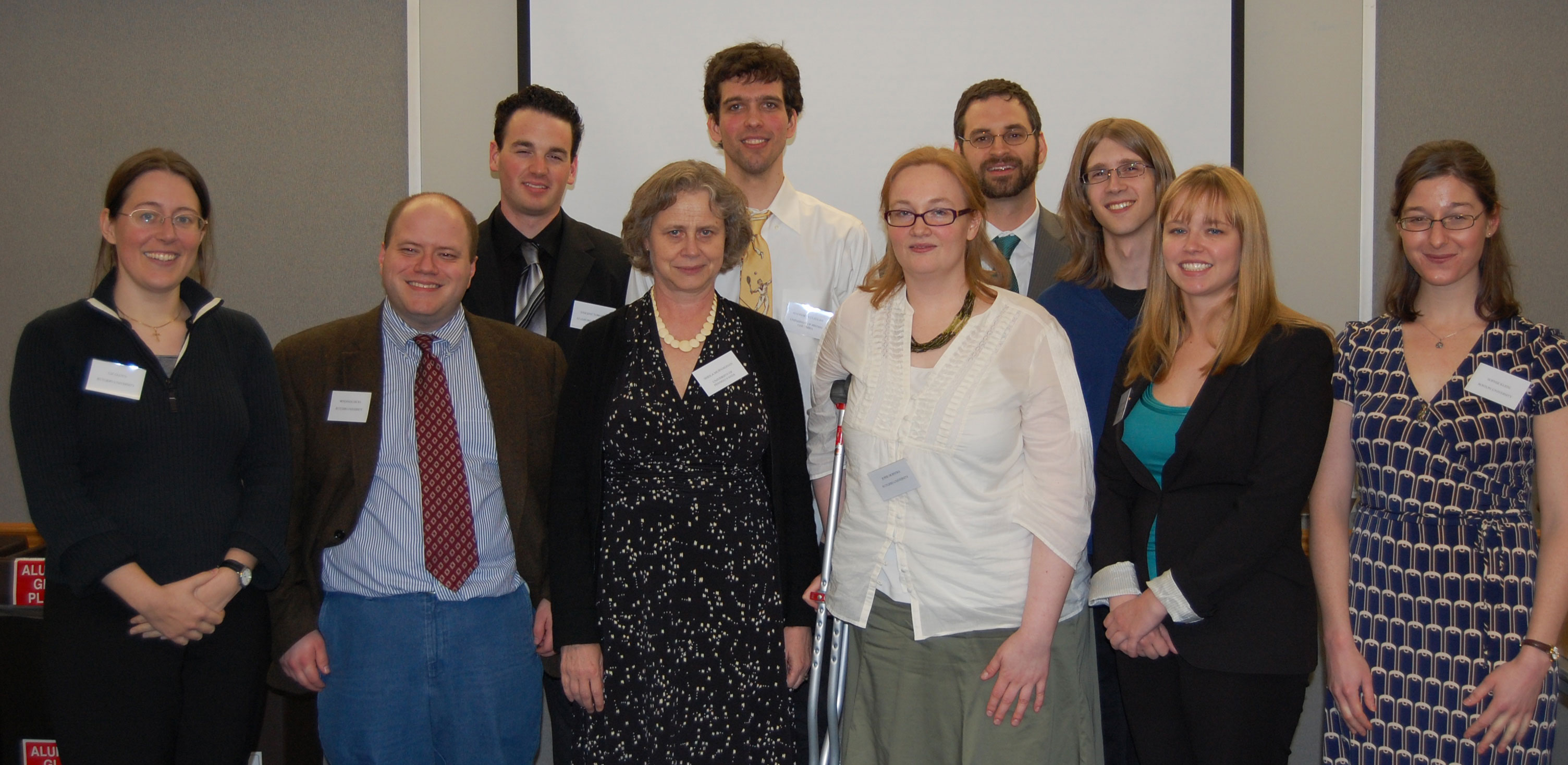
Front row, left to right: Liz Gloyn, Benjamin Hicks, Sheila Murnaghan, Jorie Hofstra, Katharine Piller, Sophie Klein. Back row, left to right: Vincent Tomasso, Andrew McClellan, Patrick Burns, Michael Sullivan.

The conference had three panels, each of which showcased some fascinating new work. In the first panel, Vincent Tomasso, Stanford University, spoke on “The Iliad in the Original: Theorizing Classical Reception in Filmic and Televisual Texts”, providing a valuable theoretical underlay to the rest of the day’s papers. Katharine Piller, University of California at Los Angeles, gave her paper, entitled “ ‘As You Wish’: The Reception of the Greek Romance in The Princess Bride”; she provided a new way to think about the themes found in the Greek novels as well as fresh approach to a favorite cult film. Patrick Burns, Fordham University, closed the panel with “The Hyper-Alexandrianism of Virgilian Centos and Girl Talk’s ‘Mashups’ ”; although this was a field few of the conference attendees were familiar with, the paper showed a clear parallel between the artistic strategies involved in creating a cento and a mash-up.

After a brief coffee break, the conference’s keynote speaker, Sheila Murnaghan, University of Pennsylvania, spoke on “Classics for Cool Kids: Popular and Unpopular Versions of Antiquity for Children”. Professor Murnaghan’s paper traced the use of classical themes in American children’s literature, particular the reworking of myths; she began with the work of Nathaniel Hawthorne in the mid-nineteenth century, and tracked developments in the genre up to the present day and the Percy Jackson novels.

The second panel resumed after lunch. Michael Sullivan, Rutgers University, began with “Europa Barbarorum and the Rehabilitation of Historical Accuracy”; he emphasized the popular audience for computer games which market themselves as historically accurate, and the huge appeal that the classics still has to the digital generation. Sophie Klein, Boston University, followed with “Animaniacs and Ancient Greek Satyr Drama”; her sophisticated handling of the common themes in satyr plays and the cartoon The Animaniacs gave us a new way of approaching a challenging body of texts and of using reception to understand the ancient world. Midori Hartman, University of British Columbia, had her paper read in absentia by Liz Gloyn. Although she was unable to attend personally due to the timing of her comprehensive exams, her paper, “Transformation as Disease, Reincorporation as Cure: A Comparative Case-Study of Apuleius’ Metamorphoses & C.S. Lewis’ The Horse and His Boy”, used medical and cultural anthropological models to compare the themes in the two works.

After a final coffee break, the third and final panel began. Jorie Hofstra, Rutgers University, and Jan Verstraete, University of Cincinnati and Montclair State University, provided a fascinating analysis of how medicine deploys classical material in their paper, “The Classics and the Pursuit of Legitimacy in Modern Medicine”. Finally, Andrew McClellan, University of British Columbia, closed the formal proceedings with his paper “Creating the Grotesque: Zombification in Lucan’s Bellum Civile, Shelley’s Frankenstein, and Romero’s Day of the Dead”; his analysis helped to explain the continuing power of the zombie trope through ancient to modern culture.

The informal part of the conference now began with a reception to thank the speakers and give the audience an opportunity to follow up conversations begun earlier in the day or pursue thoughts arising from the final panel. For those who were able to stay, there was pizza and a showing of the 1913 silent film Gli ultimi giorni di Pompeii, with English intertexts. This occasion for relaxed networking attracted a good turn-out, and rounded off the conference with an enjoyable opportunity for conversation.

Ben, Liz and Lisa would like to thank everyone helped make the conference such a resounding success. They would especially like to mention the Rutgers Graduate Student Association and the Classical Association of the Atlantic States, for their generous funding support; and Rutgers graduate students Amy Bernard-Mason, Lyndy Danvers, Andriy Fomin, Charles George, Eleanor Jefferson, Rachel Loer, Constantin Pop and Kate Whitcomb for their invaluable help throughout the day.
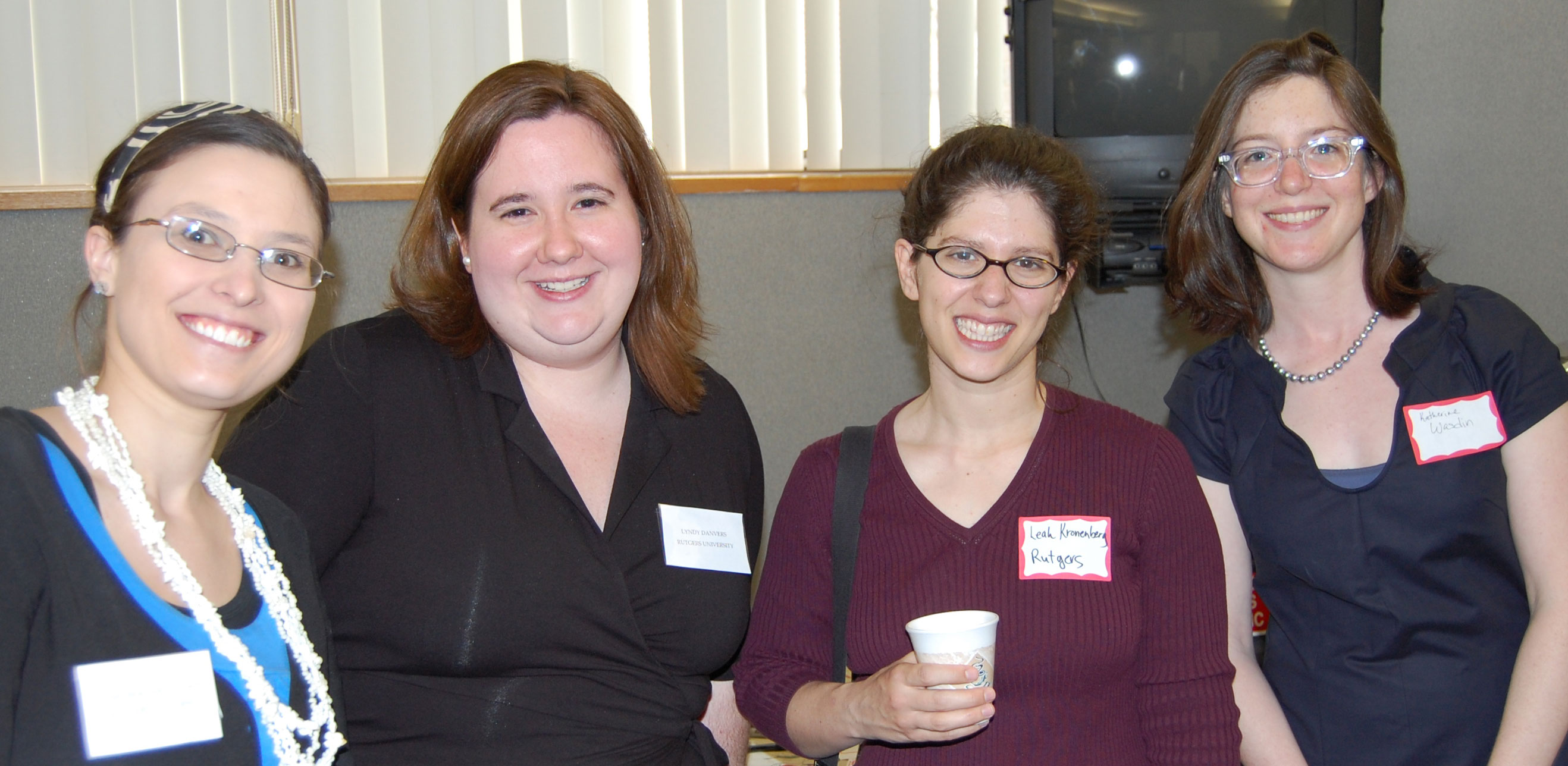
Left to right: Amy Bernard, Lyndy Danvers, Leah Kronenberg, Katherine Wasdin.
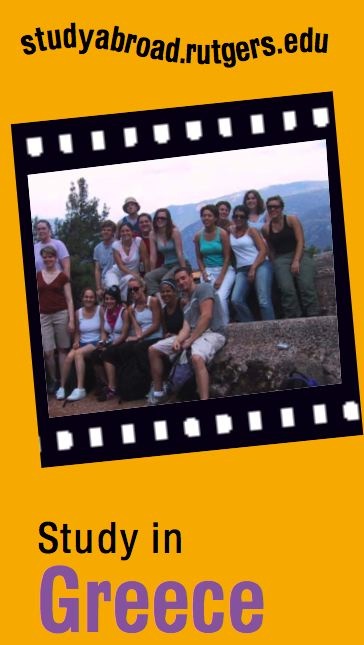
 

Now in its 6th year, Rutgers Summer Program in Greece taking applications for 2010

From Gary Farney, Associate Professor of History at Rutgers—Newark, and Director of the Rutgers Summer Program in Greece:

“Rutgers University is running its Summer Program to Greece again this coming Summer 2010 for the sixth consecutive time (from ca. July 6 to August 10). In this undergraduate program we travel around Greece, spending about half the time in Athens itself and half in the rest of Greece (in three discrete trips, to Crete, the Peloponnese and northern Greece). Students earn 6 credits, 3 in history and 3 in classics. While in Athens we stay in and use facilities provided by College Year in Athens, and outside of Athens we stay in hotels and overnight ferries, traveling around by bus. You can download the full program description here.”

“An estimate of the costs this coming year is a bit more than $5500 for New Jersey residents and $6500 for out-of-state residents (this figure does not include food costs in Greece or airfare to and from Greece). The program was rated as one of the most affordable by Let’s Go Greece on a Budget 2008.”

“For more information and an application, students can go to the program’s website, or they can contact me, Gary Farney, the Director of the program, directly via email.”

Preregister now for RU Graduate Student Classics Conference “All Roads Lead From Rome: The Classical (non)Tradition in Popular Culture”

Rutger Classics graduate students Liz Gloyn, Ben Hicks and Lisa Whitlatch are happy to report that pre-registration is now open for the Graduate Student Classics Conference, “All Roads Lead From Rome: The Classical (non)Tradition in Popular Culture.”

It will be held on Friday 9 April 2010 at the Busch Campus Center, Room 122 ABC, Rutgers University, Piscataway, NJ.

Please contact Liz Gloyn or Lisa Whitlatch for the registration form, to be returned to Liz Gloyn by March 12th. And as always, please visit our Facebook page.

Registration begins at 9 AM on the 9th of April, and the program is as follows:

Panel I (10:00-11:30 AM)

“The Iliad in the Original: Theorizing Classical Reception in Filmic and Televisual Texts” Vincent Tomasso, Stanford University

“‘As You Wish’: The Reception of the Greek Romance in The Princess BrideKatharine Piller, University of California at Los Angeles

“The Hyper-Alexandrianism of Virgilian Centos and Girl Talk’s ‘Mashups’” Patrick Burns, Fordham University

Keynote Speaker (11:45-12:30 PM):

“Classics for Cool Kids: Popular and Unpopular Versions of Antiquity for Children” Sheila Murnaghan, University of Pennsylvania

Panel II (1:30-3:00 PM):

Europa Barbarorum and the Rehabilitation of Historical Accuracy” Michael Sullivan, Rutgers University

“Animaniacs and Ancient Greek Satyr Drama” Sophie Klein, Boston University

“Transformation as Disease, Reincorporation as Cure: A Comparative Case-Study of Apuleius’ Metamorphoses & C.S. Lewis’ The Horse and His BoyMidori E. Hartman, University of British Columbia

Panel III (3:15-4:45 PM):

“The Classics and the Pursuit of Legitimacy in Modern Medicine” Jan Verstraete, University of Cincinnati/Montclair State University, and Jorie Hofstra, Rutgers University

“Brought to You Live or in Living Color: The 1960’s Reinterpretation of a 1950’s Socrates Portrayed in Maxwell Anderson’s Barefoot in Athens”, Charles Castle, Northwestern University

“Creating the Grotesque: Zombification in Lucan’s Bellum Civile, Shelley’s Frankenstein, and Romero’s Day of the DeadAndrew McClellan, University of British Columbia

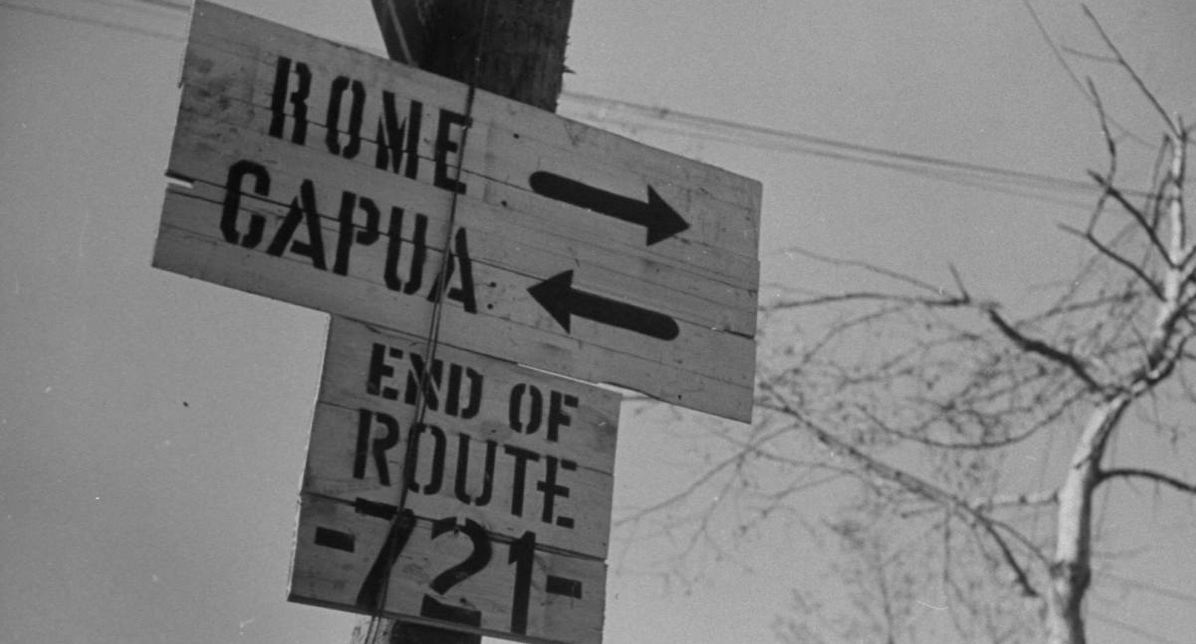
Photo (detail): Margaret Bourke-White, 1944. Source: LIFE/Google

Rutgers Classics in effect at CAAS 2009 Annual Meeting, McMaster “Cross Cultural” conference

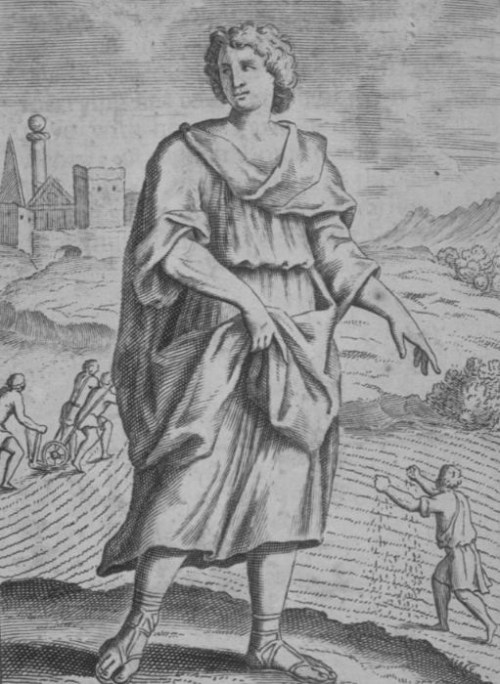
CatoRepresentation of Cato the Censor, from an 18th century edition of Plutarch’s Lives. Source: LIFE

Rutgers Classics turned out in force for the 2009 annual meeting of the Classical Association of the Atlantic States, 8-10 October, at the storied Doubletree Hotel in downtown Wilmington Delaware.

The conference program featured Liz Gloyn, a Rutgers Classics PhD candidate, presenting her talk “Life in Plastic, It’s Fantastic: Classical Reception and Barbie”. Gloyn, currently the holder of a University and Bevier dissertation fellowship, is now back to working on her PhD thesis on the ethics of the family in Seneca. But she has promised the RU Classics blog a peak at her “Plastic, Fantastic” conclusions—watch this space!

RU alumnae also made a considerable contribution to the papers at the meeting. Deborah Lemieur (Saint Joseph’s University), MA 2006 spoke on using Apollonius, King of Tyre as an intermediate Latin text. Marice Rose (Fairfield University), who completed her PhD in art history at Rutgers, spoke on how to use current events in archeology to encourage significant learning.

As if that wasn’t enough, Sarolta Takács, Dean of the SAS Honors Program and Professor of History at Rutgers, was elected CAAS First Vice President during the business meeting of the Association in its Saturday session.

Also seen: Katherine Wasdin, Rutgers Classics visiting assistant professor, and RU Classics graduate students Charles George and Kate Whitcomb. The 2010 CAAS meeting will be in Newark, NJ, right in Rutgers’ home territory—we look forward to seeing an equally strong turnout then!

But that’s not all. In Hamilton, Ontario, on 3 October 2009, Eleanor Jefferson, a second year graduate specializing in Roman history, presented a paper “United We Stand?: Cultural Negotiation in Cato’s Origines” at the McMaster University graduate student conference “Cross Cultural Influence In The Roman World.” The keynote speaker at that conference was Emma Dench of Harvard University, who spoke on “Roman and Local Conceptualizations of Time”.

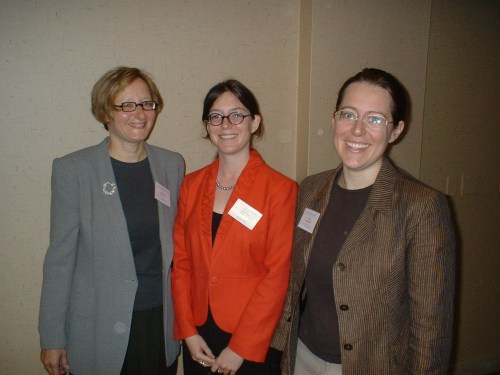
TakacsWasdinGloynLeft to right: S. Takács, K. Wasdin, E. Gloyn, at the 2009 CAAS annual meeting

The Peripatos lives! The latest biennial conference of Project Theophrastus

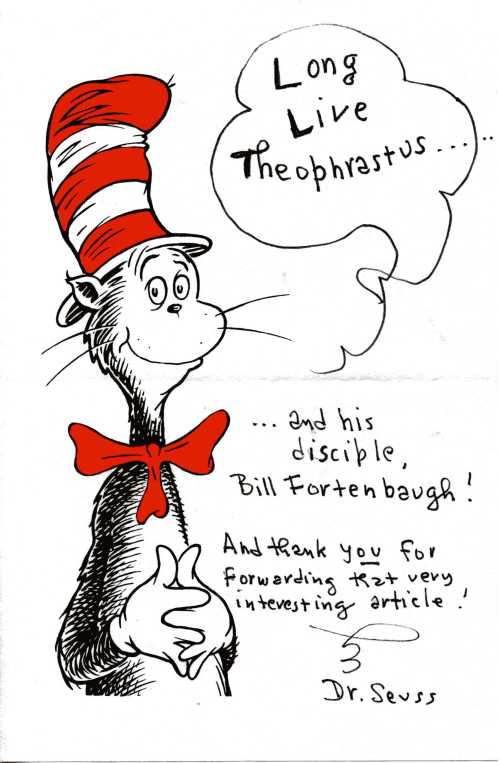
seuss005

What’s new with Rutgers Classics Professor Emeritus William W. Fortenbaugh—founder of Project Theophrastus and of Rutgers University Studies in Classical Humanities (RUSCH)?  He writes,

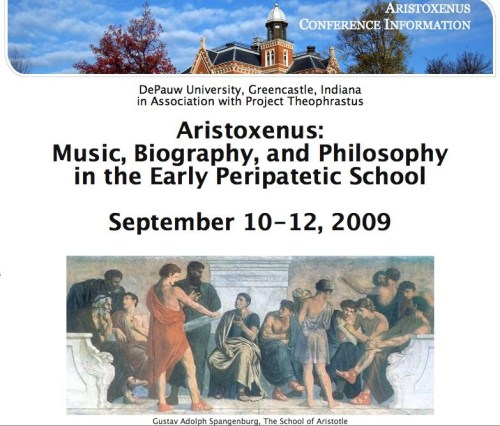
“From September 10-12 a well-attended conference on the philosopher and musical theorist Aristoxenus was held at DePauw University.  The organizer and host was Carl Huffmann.

“Thanks to his efforts, Project Theophrastus pulled off a first: there had never been a conference devoted entirely to Aristoxenus, but now there has been. The old boy must be pleased, and he will be even happier when the conference proceedings are published in RUSCH. Biography and musical theory will be well covered, and there will be a new and complete edition of the fragments together with an English translation and notes.”

The next biennial conference for Project Theophrastus is already scheduled for 24-27 July 2011. It will be held in Germany, at Trier, where it is being organized by Georg Wöhrle and Oliver Hellmann. The title of the conference is “Phaenias of Eresus and the Early Peripatos: Specialization and Differentiation in Research.”

Professor Fortenbaugh continues, “Papers focused on Phaenias will be most welcome, but presenters may also consider other members of the early Peripatos like Theophrastus and Aristoxenus. ‘Research’ suggests natural science, but presenters need not confine themselves to science narrowly construed. They may take an inclusive approach, so that other areas of research are covered.”

Persons interested in the conference should contact Oliver Hellmann: his email address is hellmann@uni-trier.de.

Aristoxenus

Announcing RU Classics grad conference, “All Roads Lead From Rome: The Classical (non)Tradition in Popular Culture” (9 April 2010)

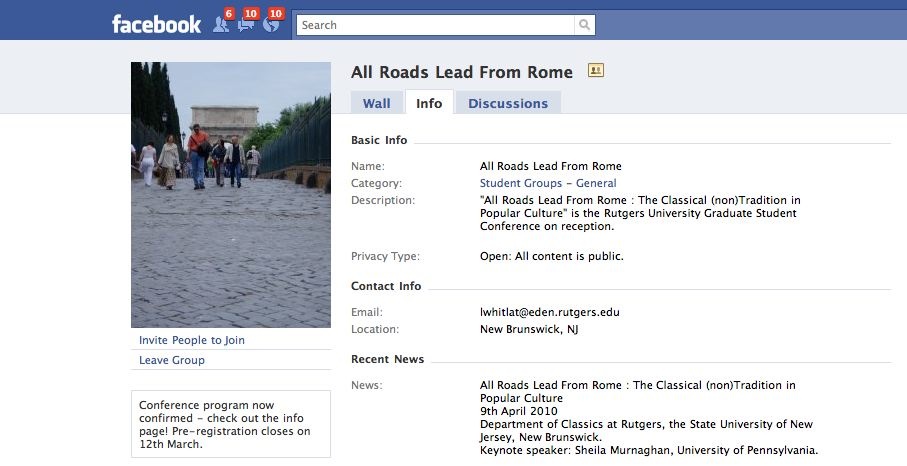
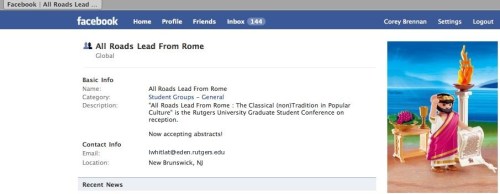
AllRoadsFacebook

The Graduate Students of Rutgers University are pleased to announce “All Roads Lead From Rome: The Classical (non)Tradition in Popular Culture,” a graduate student conference on reception.

Liz Gloyn, Ben Hicks and Lisa Whitlatch are coordinating the conference with the help of Classics Graduate Student Organization co-presidents Eleanor Jefferson and Lane Worrall.  The Call for Papers is below, and we’re looking forward to an exciting event.

The conference will be held on April 9, 2010, and the keynote speaker will be Sheila Murnaghan (University of Pennsylvania).

Please check out the Facebook group “All Roads Lead From Rome” for further information.

Now here’s the CFP… Continue reading

RU Classics grad student Kristen Baxter off to American School at Athens, with Ostwald Fellowship in hand

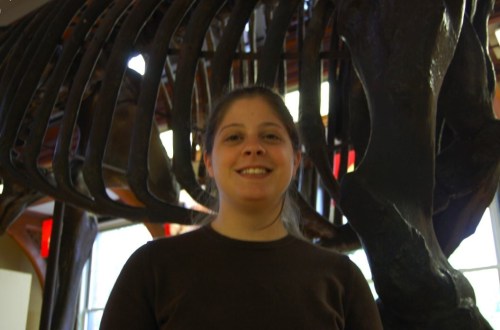
BaxterGeoKristen Baxter at the Rutgers Geology Museum, March 2009.

Kristen Baxter, a fifth-year graduate student pursuing her PhD in Classics at Rutgers, will be spending the 2009-10 academic year studying as a Regular Member at the American School of Classical Studies at Athens (ASCSA).

Baxter also has been awarded the American School’s Martin Ostwald Fellowship to allow her to pursue her studies. The Fellowship provides a stipend plus room and board at Loring Hall on the School grounds and waiver of School fees. Kristen is the second Rutgers Classics graduate student in two years to win a Fellowship to the ASCSA; Sean Jensen held the Michael Jameson Fellowship at the American School for 2008/9.

While at the ASCSA, Kristen will be involved in a variety of activities. She will tour the major sites and museums of Greece and the islands, as well as travel to Turkey and Sicily. Plus will be taking courses on the sites and monuments of Athens and Attica, Greek Sacred Law, and Stone Tool Technology. Kristen also hopes to participate in the school’s archaeological excavations.

Having successfully completed her coursework and qualifying exams, Kristen is also currently working on her dissertation under the direction of Professor Timothy Power. Here she illuminates some aspects of the religious functions of Pindar’s epinician odes through an examination of the ways in which Pindar employs prayers within them. Throughout there is a focus on the close reading of particular odes.

Kristen Baxter received her undergraduate degree from Villanova University. At Rutgers, Kristen has taught both Latin and ancient Greek, as well as Expository Writing.

“I look forward to my time in Athens”, she tells the RU Classics Blog, “not only as an opportunity to visit the great sites of the ancient world, but as a chance to gain a better understanding of the Greek world, which may serve as a resource in both my scholarship and teaching.”

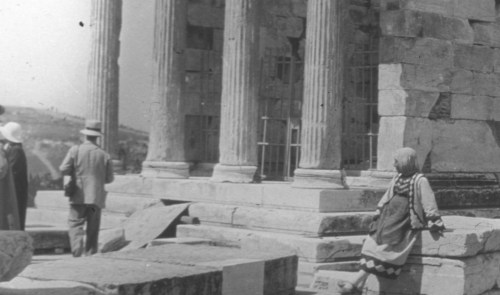
NikeTempleTemple of Athena Nike at Athens, ca. 1935. From the RU Classics collection of lantern slides.

“From 27,573 to 1,589”: a post-Rutgers postcard from Grinnell IA

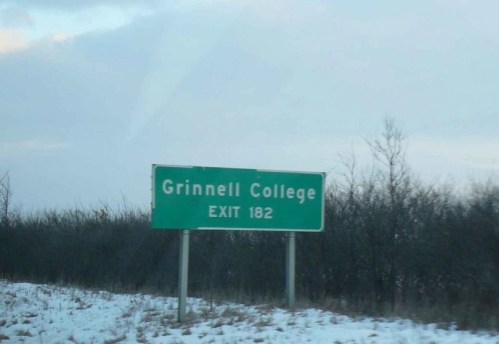
GrinnellCollege

OK, we know that there have been no posts on the RU Classics Blog for like six or seven weeks…that’s because we’ve been researching for some big future features on Rutgers alums Lane Cooper (Class of 1896, and son of one of Rutgers’ more important classicists),  Ozzie Nelson ’27 and Mr. Magoo. Oh, and it’s summer.

So it was a genuine piece of great news to get this engaging postcard from our distinguished 2008 Ph.D. (and former University Trustee) Ryan Fowler.  Here Ryan offers a lyrical, richly illustrated portrait of his first full-time teaching position, at Iowa’s Grinnell College—with a few remarks on his next stop, which is another outstanding Midwestern small liberal arts institution, Knox College in Galesburg Illinois.

“One never knows what will catch the eye of a potential employer. I have a relatively odd set of teaching skills, but some of the skills desired by the Classics Department at Grinnell (such as the ability to teach Ancient Philosophy and Logic 101) had not even been mentioned in the American Philological Association placement listing. It is impossible to anticipate anything in the academic job process, but apparently there seemed to be a fit, and I was hired.

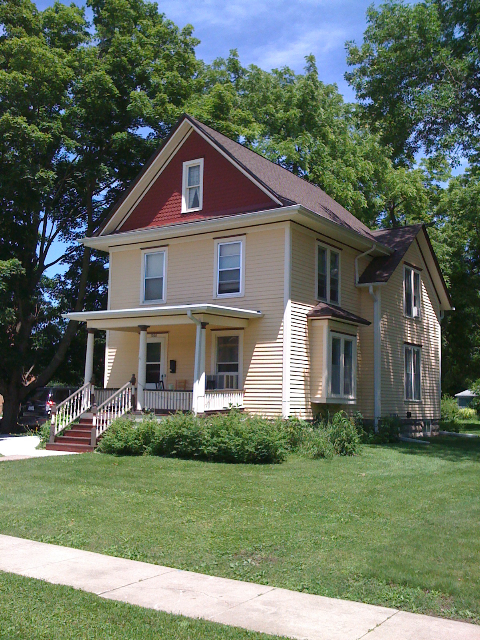
My first shock was the moving situation. I was living in Park Slope, Brooklyn commuting by subway or train to Brooklyn College (not bad) and The College of New Jersey in Ewing (very bad: look at a commuter’s map; its about 80 miles one way, through NYC and all of NJ). I asked about college housing: one house was left, a “rather expensive” four bedroom two story with hardwood floors, renting at $600/mo.

Picture 1

I was paying $1400 to share a small two-bedroom at the time. My commute would be “about a two minute walk.” A greater shock, perhaps, would be the population difference: from Brooklyn (many, many people) or New Brunswick (50,172) to an isolated town of 9,105 residents (around 1,589 of whom are students). Continue reading

RU Classics definitely in the building for University’s 243rd Anniversary Commencement

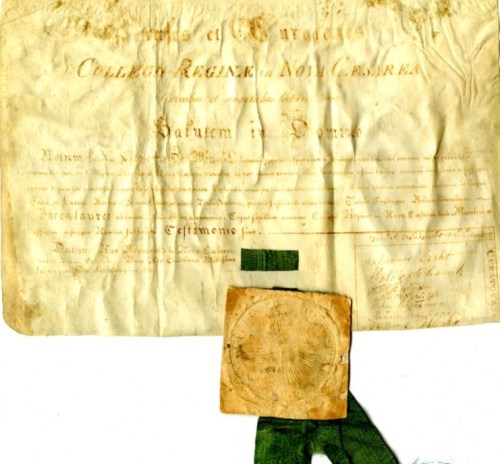
RUDeWittDiplomaThe oldest extant Rutgers diploma: Simeon DeWitt, class of 1776. Credit: Thomas Frusciano, SC/UA

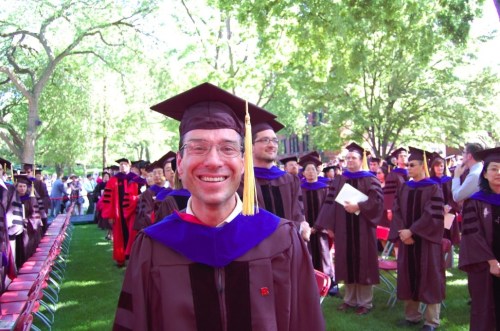
What a Commencement Week for Rutgers Classics. One (especially well-deserved) PhD, two MPhils, five MAs, and fourteen Classics majors and thirteen minors who received the BA degree.

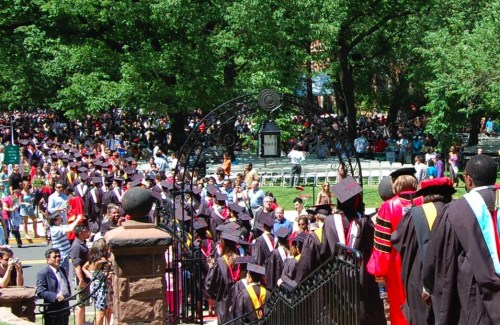
RUProcession21 May Rutgers College/SAS joint Commencement

Plus, for the University, a particularly enlightened choice of honorary degree recipients. The group included fashion designer Marc Ecko, businessman and social activist Alfred C. Koeppe (Newark Alliance), artist Faith Ringgold, jazz luminary Sonny Rollins, and social psychologist Philip G. Zimbardo.

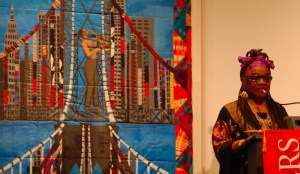
RURinggold

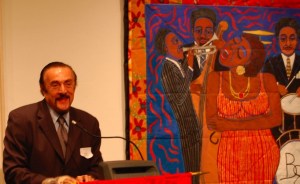
RUZimbardo

20 May pre-Commencement with the honorary degree recipients. Above: Faith Ringgold. Below: Philip Zimbardo

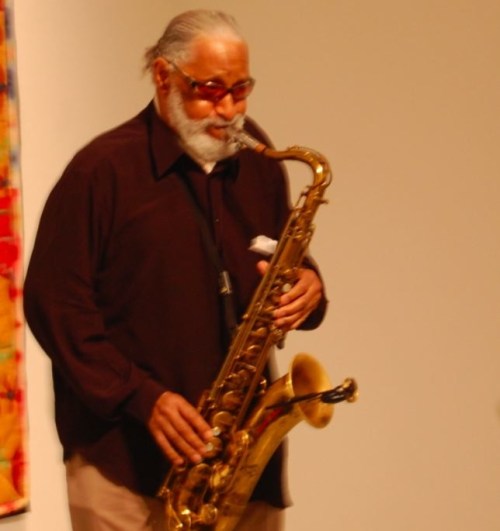
At the traditional breakfast for these honorees, Sonny Rollins chose to keep celebratory words at a minimum, and instead took out his horn to play an inspired solo version of “The Folks Who Live on the Hill”.

RURollinsSonny Rollins takes the Jerome Kern songbook one step beyond

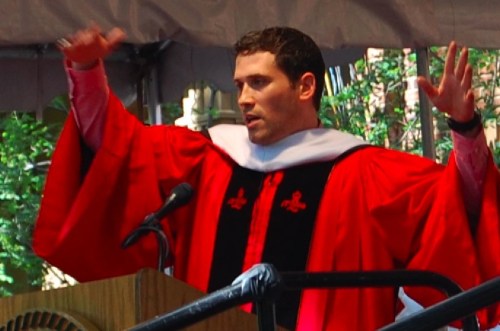
Marc Ecko doubled as Commencement speaker, impressively toting along his own Teleprompter system for the occasion. His (surprisingly effective) topic? The wisdom of “Row Row Row Your Boat”.

RUEckoEx-RU Pharmacy student Marc Ecko, founder of Marc Ecko Enterprises

Special congratulations are due to new Classics PhD Christopher Marchetti. Chris wrote his dissertation on “Aristoxenus’ Elements of Rhythm: Text, Translation, and Commentary“, under the direction of Thomas J. Figueira.

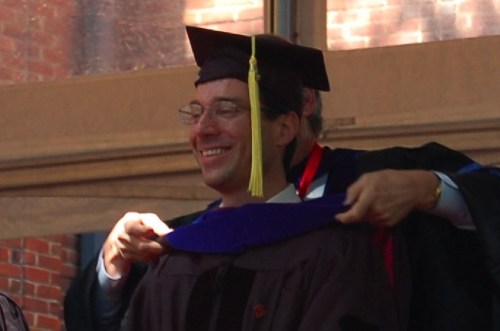
RUMarchettiHood

For six years now Marchetti has been based at the Flint Hill School (Oakton VA), as Upper School Classics Teacher. Before that he taught for a full eleven years in NJ at the Princeton Latin Academy. In 2001 he authored a textbook Elementary Ancient Greek that still sees use in schools today. This June Chris presents at Royal Holloway, London, at the 9th Annual RHUL/APGRD Postgraduate Symposium on the Reception of Ancient Drama. In July he will participate in the conference “The Look of Lyric: Greek Song and the Visual” at the European Cultural Centre in Delphi.

RUMarchettiAlumChris Marchetti, Rutgers Classics PhD 2009

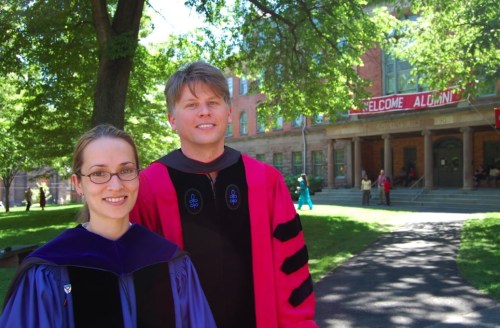
ConnollyPowerRU Classics faculty members Serena Connolly (Yale blue) and Timothy Power (Harvard crimson)

But that’s not even the half of it…!!!

Continue reading

For RU Classics thesis writer Brienne Cignarella, a Henry Rutgers Scholars Award

Brienne Cignarella’10, a double major in Classics and Art History in Rutgers’ School of Arts and Sciences (SAS), has won a Henry Rutgers Scholars Award, which recognizes 15 outstanding theses for the academic year.  Each award carries with it a cash prize of $1,000.

All Rutgers SAS students who are completing a department-based honors thesis or an Interdisciplinary Honors Thesis are designated as SAS Paul Robeson Scholars. And all SAS Paul Robeson Scholars are eligible to be considered for the Henry Rutgers Scholars Award. SAS Honors Dean Sarolta A. Takács announced the prize earlier this month.

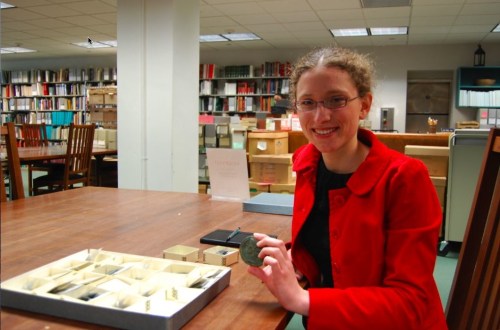
CignarellaCoinBrienne Cignarella in RU Special Collections/University Archives, working with the Rutgers collection of Roman Republican coins

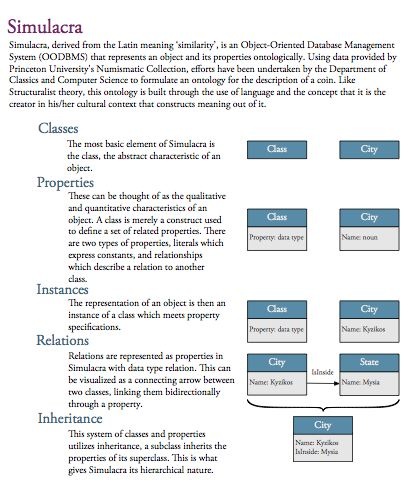
Cignarella, who hails from Hopewell NJ, wrote an unusually ambitious thesis entitled “Simulacra Database Management System: An Object-Oriented Approach toward Knowledge Retrieval.”  In essence, what Brienne has done is used the numismatic collection of Princeton University to formulate a new descriptive ontology for coins—or indeed for any type of object.

Simulacra
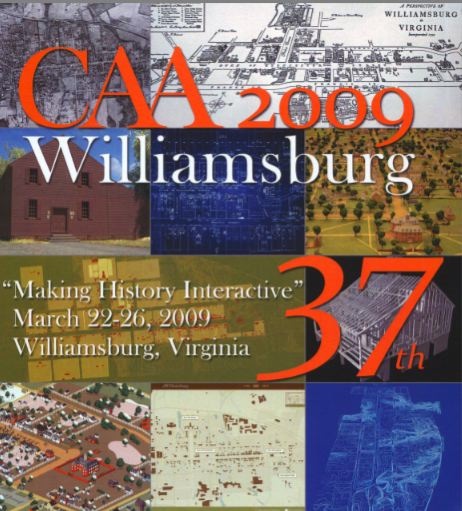
Cignarella presented her thesis in April in a poster presentation at Rutgers’ Aresty Research Center for Undergraduates, and before that, at a highly competitive juried international conference, the 2009 CAA [= Computer Applications and Quantitative Methods in Archaeology]. That was held in Williamsburg VA from 22 through 26 March.

The CAA is one of the premier venues for presentation of work on computer applications to the humanities, with many of the leaders in this rapidly emerging academic field appearing on the program. The Aresty Research Center provided support for Cignarella to participate in the event.

For the CAA conference, Brienne submitted a paper based on her thesis to a grueling jury process of three referees.  The work was accepted for the 26 March session “The Semantic Web: 2nd Generation Applications”.

In the paper, Brienne Cignarella outlined the conceptual model and major components of her new ontology, which is stored in a system of classes and properties. That is typical of object-oriented databases. But what is novel here is the choice of object, and the sophisticated querying system, which has applicability well beyond coin databases.

The jurors called her “clearly written” abstract “a valuable contribution that should be of great interest to the CAA community”, while urging her to investigate “interoperability…beyond the walls of a single institution”.

CAAcover

In fact, Brienne is doing precisely that, for this summer she will start the work of organizing—at least conceptually—Rutgers’ impressive Roman coin collection (housed in Alexander Library Special Collections) along the standards that she developed for the Princeton coins. Her thesis adviser T. Corey Brennan remains involved in the project.

This term Cignarella took a graduate level seminar in numismatics at Princeton University, with Alan Stahl, a world-renowned expert on ancient and medieval coins, and Curator of the Princeton collection. She also was elected at Rutgers to Phi Beta Kappa.

Brienne is contemplating graduate study in ancient studies, with the eventual aim of entering the rapidly emerging field of electronic humanities.

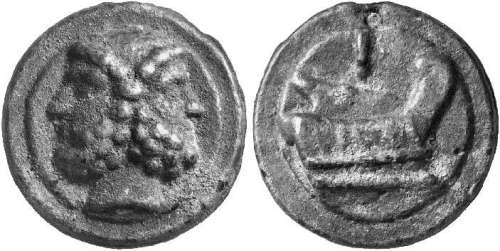
00308q00Aes grave from the pre-Hannibalic period: a rare variant as (Crawford 35/1 = Sydenham 71) in the Rutgers Roman Republican coin collection