American Philological Association considers name change; RU Classics blog welcomes your comments

Ask anyone in these parts about the significance of the year 1869, and the answer is likely to be “Rutgers—fielding a team of mostly classicists—defeats Princeton in the first intercollegiate football game!” Anything else for that year? “Rutgers students found the campus newspaper The Daily Targum.” Keep going? “The Golden Spike.” After many iterations of the question, “Oh yeah, of course, the creation of the APA—the American Philological Association.”

Here’s the story in brief, from the Associations’s websiteFounded in 1869 by “professors, friends, and patrons of linguistic science,” the APA is the principal learned society in North America for the study of ancient Greek and Roman languages, literatures, and civilizations. While the majority of its members are university and college Classics teachers, members also include scholars in other disciplines, primary and secondary school teachers, and interested lay people. Continue reading

On Facebook, Rutgers University Department of Classics becomes active user Number 1,000,000,001 (give or take a few)

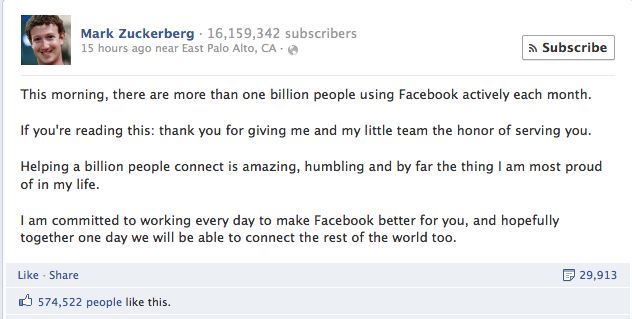
On the morning of Thursday 4 October 2012  (i.e., today), Facebook  founder and CEO Mark  Zuckerberg posted this status update on his page:

Not too long afterward, the planet saw the launching of the Rutgers University Department of the Classics Facebook page. The goal? Precisely to make and maintain those connections that Zuckerberg is talking about, in this case, among members of the larger RU Classics community (including our many alums) and between RU Classics and the rest of the world. Continue reading

RU Classics prof consults on-air for History Channel’s ‘Caligula: 1400 Days of Terror’ (US premiere 9 Oct 2012)

Here’s an anniversary you can be excused for having missed. This past August—the 31st of the month, to be exact—marked the 2000th year after the birth of  the Roman emperor Gaius, a.k.a. Caligula, in AD 12.

Now, whether you want to sleep on a new two-hour History Channel special devoted to the notorious emperor is a different matter. It’s called Caligula: 1400 Days of Terror—a reference to his short and violent reign of March 37 to January 41. The US premiere airs from 9-11 PM on Tuesday 9 October 2012. (It already debuted in Australia and NZ in time for that August anniversary; and it premieres in Italy Sunday 28 October.)

Rutgers Classics associate professor Corey Brennan plays a part in the show, that (as plugged by the History Channel) “examines controversial new theories about the man who ruled the world’s mightiest Empire with sadistic brutality”. You can see the trailer here. Continue reading

On 4 October 2012, for Rutgers Classics GSA-sponsored event, Benedict Lowe (Aarhus) presents on early Roman Iberia

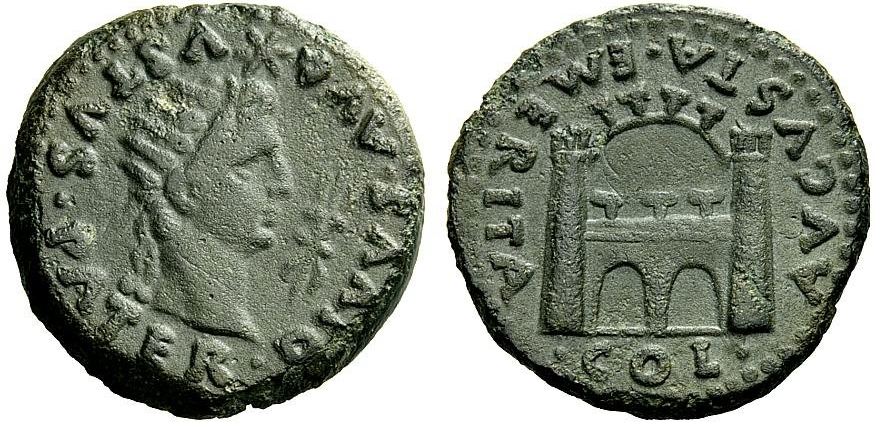
ImageA bronze issue of Augustus from ancient Mérida, showing the colony’s gateway

It all happens Thursday 4 October at 6 PM, in Ruth Adams Building 003. That’s when and where the Rutgers Classics Graduate Student Association (GSA) presents the second installment in its ambitious 2012/2013 series of lectures—a presentation by Professor Benedict Lowe of Aarhus University (Denmark). The topic? “Italian Immigration in Central Spain in the 1st and 2nd Centuries BC.” Continue reading

Reflections of technology in ancient literature: RU Classics GSA presents 27 September 2012 lecture by Cornell’s Courtney Ann Roby

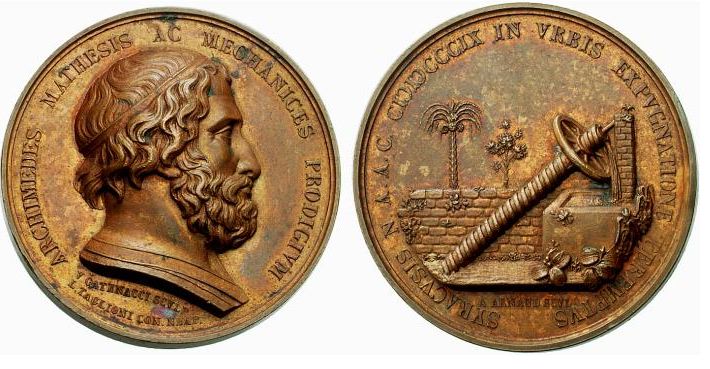
An 1830 medal of the Two Sicilies honors Archimedes (3rd century BCE)

Hold onto your hats. The Rutgers Classics Graduate Student Association (GSA) kicks off its ambitious 2012/3 lecture series on Thursday 27 September 2012 at 6 PM in Ruth Adams Building 003. Featured is Professor Courtney Ann Roby of Cornell University, who lectures on “Literary Reflection of Mechanical Technology in the Ancient World.” Continue reading

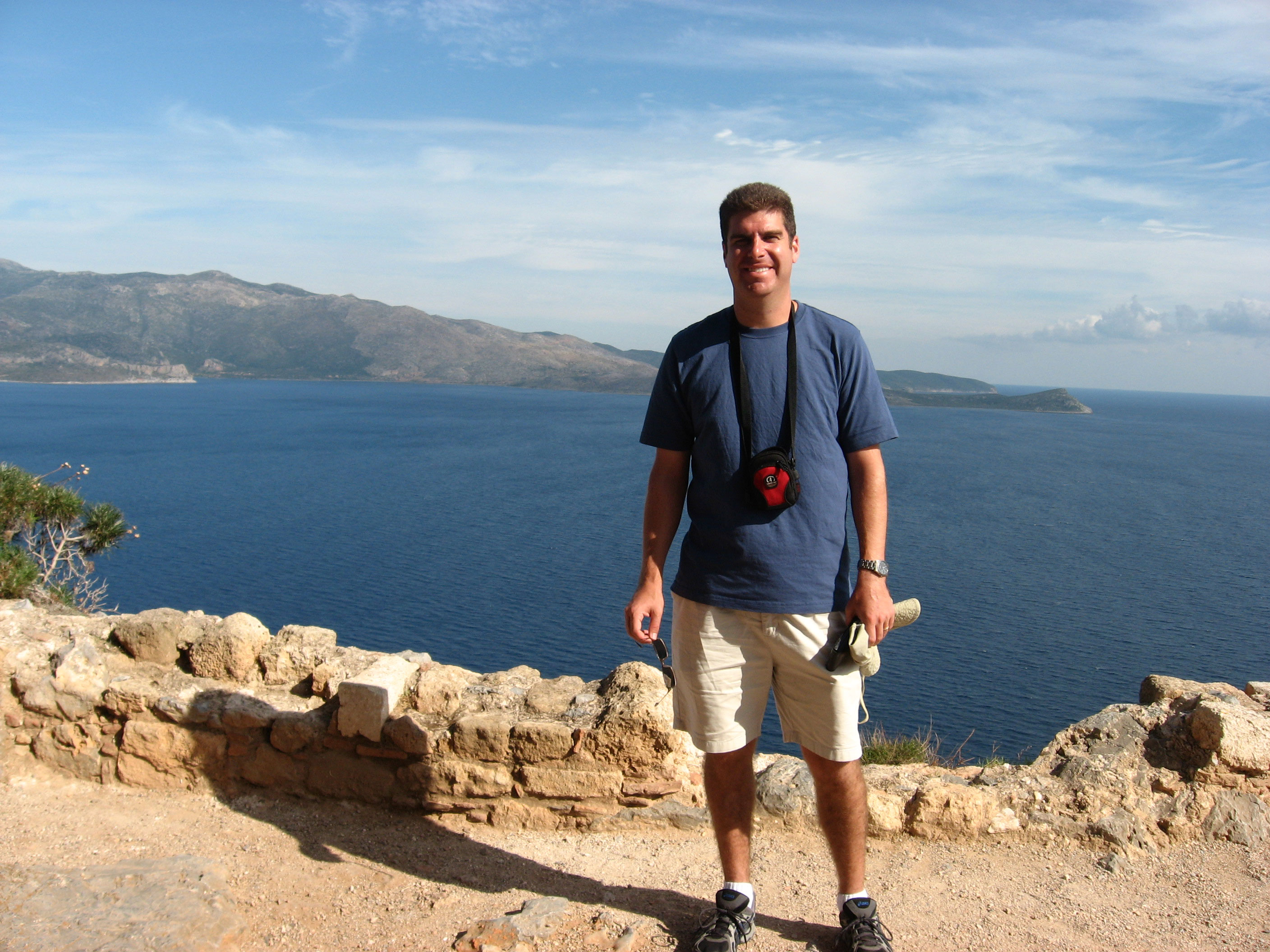
A taste of the Aegean: Frank Curley’11 recounts his semester in Greece

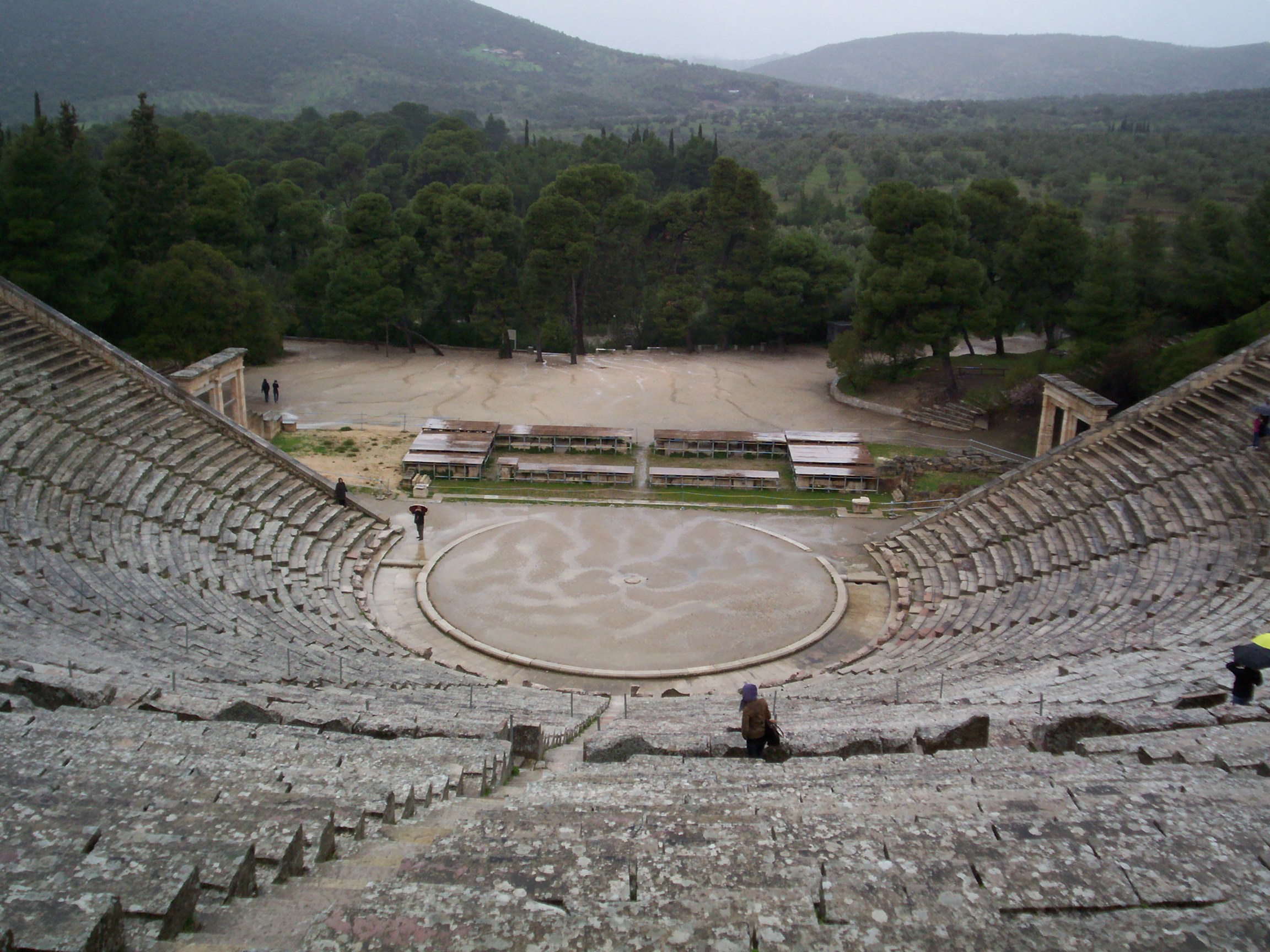
A semester in Greece simply cannot be properly described in a blog, but I hope this overview gives readers at least a taste of the Aegean. Its people are friendly, the land is beautiful and the history is overwhelming. Whether it is ancient or medieval, the scenery of Greece is still a wonder for those willing to make the trip to the land of the Olympians.

My semester in Greece started out in Athens, which, thankfully, had a warmer climate compared to the snow storm I dodged. I stayed in Kolonaki, a section of the city based on the side of Mt. Lycabettos. Continue reading

Rutgers Classics at CAAS 2010 Annual Meeting

Once again, Rutgers Classics put on a good show for the 2010 annual meeting of the Classical Association of the Atlantic States, 7th-9th October, held at the scenic Hilton Newark Airport Hotel in Elizabeth, New Jersey.

Not only was there a strong turn-out of Rutgers classicists attending the meeting, but plenty of well-known RU faces appeared on the program as well. Katherine Wasdin, Visiting Assistant Professor, spoke on “Jason and Medea in Lucan’s Bellum Civile”; Lisa Whitlatch, a Rutgers Classics PhD candidate, spoke on “Altera Templa: Ovid’s Strategic Topography in Tristia 3.1”; and Katheryn Whitcomb, a graduate student making her first formal conference appearance, discussed the question “Alcaeus’ Fragment 34a: Religious Hymn or Metaphor for Self?” In an unusual twist to the normal program, Liz Gloyn, another Rutgers Classics PhD candidate, showed off her other accomplishments during ‘A Musical Evening in Honour of David Porter’ with a selection of songs with classical themes.

RU alumnae and friends were also in attendance. Marice Rose (Fairfield University), who completed her PhD in art history at Rutgers, spoke on classical reception in the architecture of Caesars Palace (apostrophe deliberately omitted) in Atlantic City. What’s more, Sarolta Takács, once Professor of Classics at Rutgers and now Dean of the Sage College of Albany, was elected as CAAS President during the business meeting of the Association in its Saturday session.

The annual meeting was, as ever, a wonderful opportunity to get together with colleagues from the region, hear exciting new research, and spend time with others who are passionate about the classics. Roll on 2011!

Rutgers Classics Down Under: a travelogue

From April 5th-April 12th 2010, Lisa Whitlatch, PhD Candidate, headed down to Sydney, Australia, for the conference “Genre in the Ancient World.”  She was happy to trade the unpredictable New Jersey weather for sunny Sydney, and reports back on the environment of the conference and Sydney–

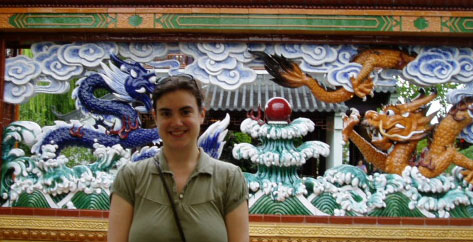
Lisa Whitlatch at the Chinese Gardens in Sydney

Continue reading

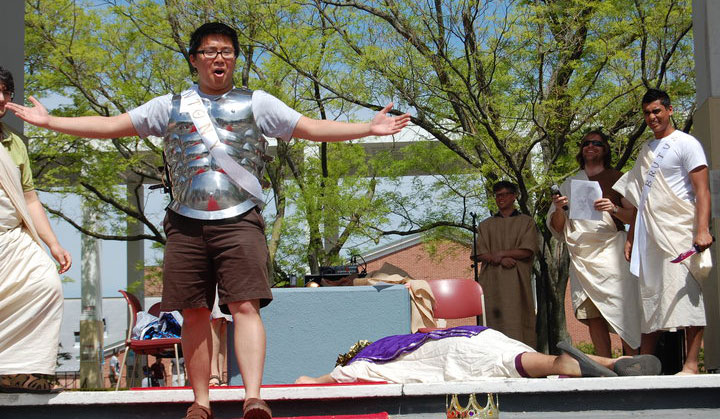
Love and Strife at Rutgers Day 2010

Rutgers Classics has done it again. In the midst of a hugely successful second edition of “Rutgers Day,” drawing crowds from all over the Garden State — no fewer than 75,000 people this year —the Classics department at Rutgers followed in the footsteps of the big splash made by last spring’s Greek and Roman Fashion Show.

On April 24, under clear blue skies and a blazing sun, students (and even some faculty!) from Rutgers’ Classics department took central stage on College Avenue’s Brower Commons, offering the crowds a fully-costumed, classically-themed show. Continue reading

Rutgers Graduate Alumnus Sean Jensen joins Harvard as a College Fellow for the year 2010-2011

Sean Jensen has accepted a position as a Harvard College Fellow in Greek history for the 2010/11 academic year. He will be teaching 2 undergraduate courses and a graduate seminar in Greek history while pursuing further research in the Athenian Empire at Harvard. Sean will receive his PhD this May with a dissertation entitled “Rethinking Athenian Imperialism: Sub-Hegemony in the Delian League”.

Sean’s faculty profile page can be found here.


Sean Jensen, Rutgers Classics 2010